Digital Signage

Digital Signage

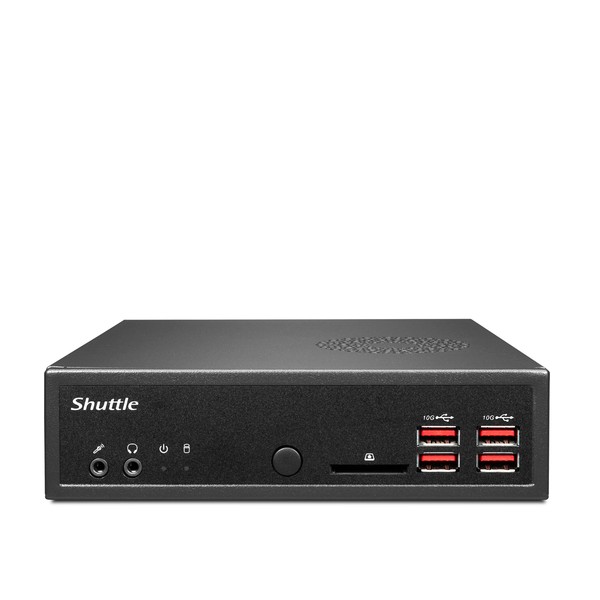
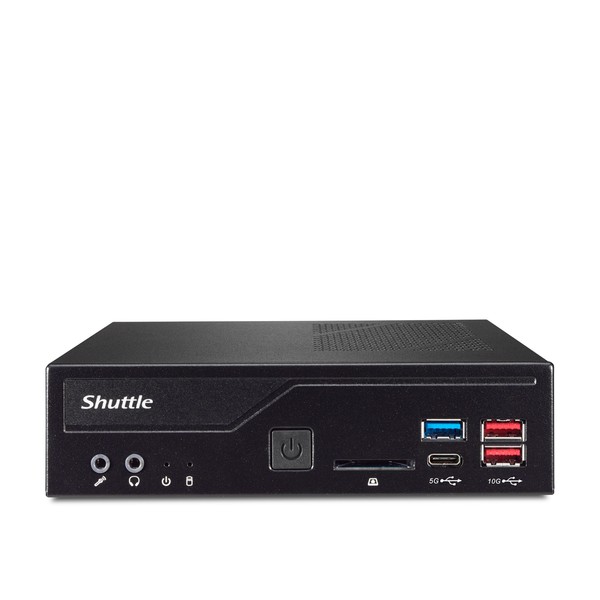
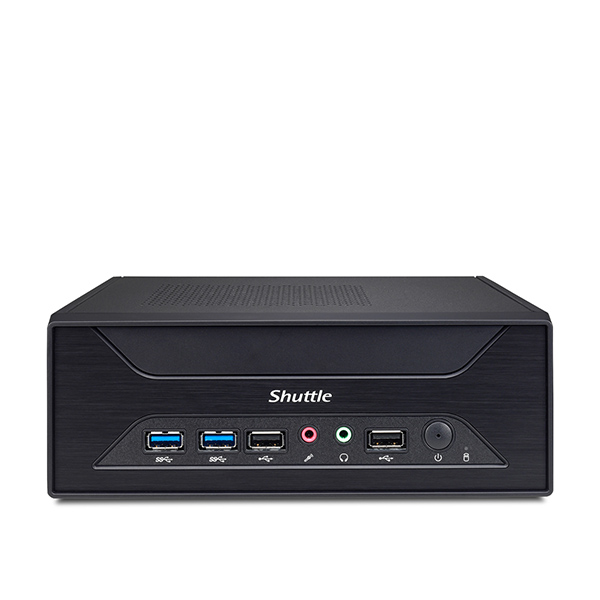
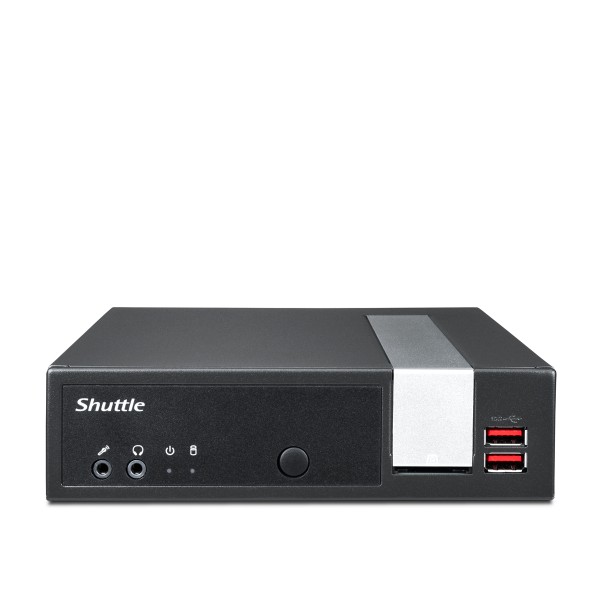
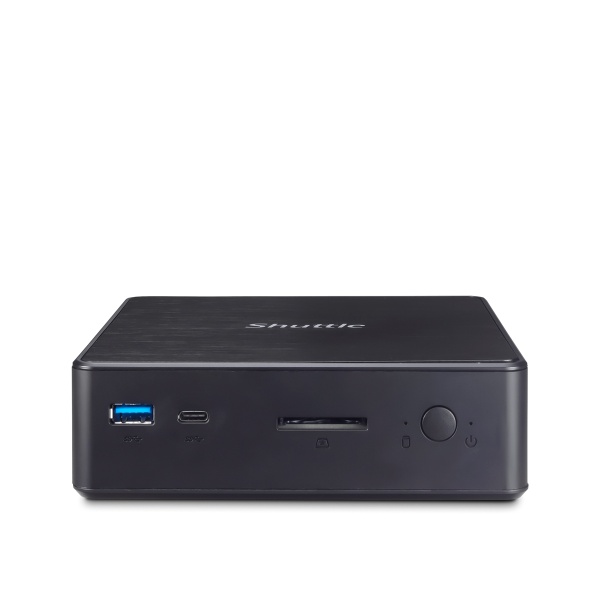
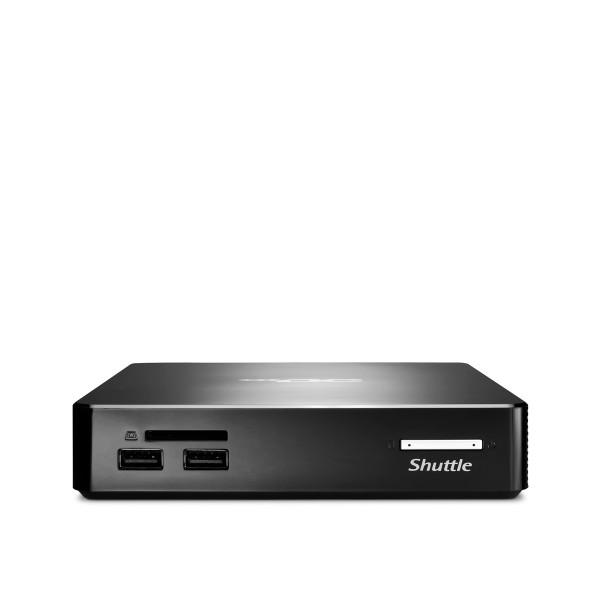
Digital advertising areas, information screens and electronic signs are now an integral part of everyday life. Shuttle supplies the right player for every scenario – and a wide range of operating systems. These compact machines are all characterised by their robust design. They range from ultra-high-performance models and machines with innumerable ports and connections to low-energy, continuously running fanless devices. High strength steel and a broad temperature spectrum enable installation even in difficult environments.

BPCAL02-i5
Core i5-1235U (ULV)
SPCEL12
Intel Celeron J6412
Triple-display support
NA10H7
AMD Ryzen 7-8845HS
NC40U5
Intel Core i5-1235U
NE10N
Intel N100
NT10H5
Intel Core Ultra 5 125H
DH32U5
Intel Core i5-1135G7
4× HDMI 2.0
DH670V2
Intel H670 Chipset
DH770
Intel H770 Chipset
DN11H7
Intel Core Ultra 7 155H
DS50U5
Intel Core i5-1335U
2.5 Gbit Ethernet

Digital signage hardware for professional use: requirements, solutions and trends

Digital signage has long been more than just a display on the wall. It is a powerful communication tool that companies, retailers, industry and public institutions use to present content in a targeted, dynamic and automated manner. To ensure that this works reliably, it is important to have the right digital signage hardware – robust, networked and scalable.

What is digital signage-compatible hardware?

Digital signage-compatible products are hardware solutions that are specially designed for continuous operation, centralised management and smooth multimedia operation. These include, among other things:

  • Industrial PCs and media players with long-term availability and extended temperature tolerance
  • Fanless mini PCs for noise-sensitive and dust-prone environments
  • Multi-monitor solutions for video walls and information hubs
  • Compatibility with CMS software, common operating systems and network infrastructures

Compared to consumer hardware, these devices offer significantly higher reliability, remote maintainability and longer life cycles – key factors for uninterrupted content playback.

Areas of application with specific requirements

Every industry has its own requirements for digital signage products:

  • Retail: fast boot times, automatic playback in the event of a power failure, support for 4K displays
  • Industry & manufacturing: IP-protected housings, VESA mounting, data integration from manufacturing systems
  • Transport & logistics: particularly robust and compact devices, 24/7 operation and 4G/5G capability
  • Public institutions: vandal-proof installations, accessibility and energy efficiency

Here, it is crucial to rely on specially designed hardware that features tested components and high operational reliability.

What to look for when choosing

Anyone using digital signage professionally should consider the following criteria when choosing hardware:

  • Good availability and industrial quality
  • Connections for multiple displays and peripheral devices
  • Easy remote maintenance via LAN or WLAN
  • Future-proof processor architectures and the most energy-efficient operation possible
  • Compatibility with digital CMS solutions from well-known manufacturers

In professional environments in particular, the use of mini PC-based digital signage players is recommended, as they combine high flexibility, low failure probability and long availability.

Future trends and recommendations

AI-supported content control, edge computing and sensor-based responses to target group behaviour mark the next stage of evolution. To be prepared for this, it is worth investing in modular, expandable hardware platforms. Brand-independent solutions based on Intel Core Ultra, AMD Ryzen or ARM provide the technological basis for a scalable, intelligent digital signage infrastructure.

Digital signage only unleashes its full potential with the right hardware. By relying on industrial mini PCs, robust players and scalable systems, you can ensure stable, low-maintenance and future-proof operation in the long term. Use this technology not only to display content, but as a strategic building block for your digital communication.