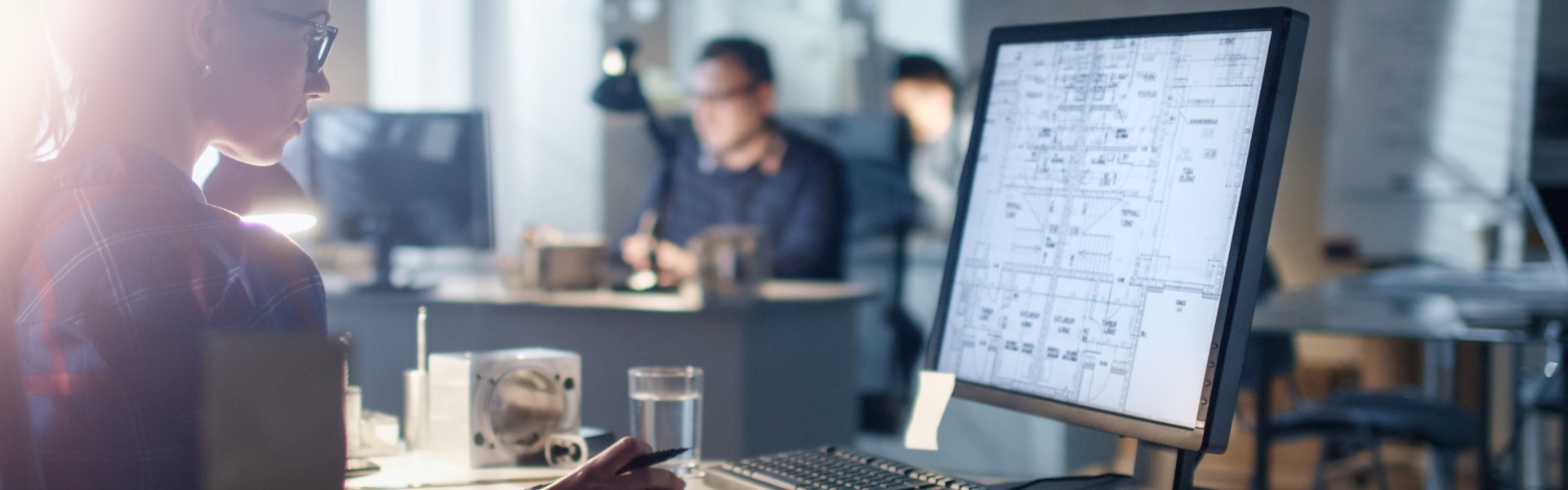
Office





Efficiency meets ergonomics: modern office PCs reimagined
In times of hybrid working models and data-intensive office applications, the demands placed on office PCs have changed fundamentally. Where once a solid tower under the desk was sufficient, today compact, energy-efficient and powerful mini PCs dominate, which can be seamlessly integrated into modern office environments. As specialists in office hardware and IT infrastructure, this article highlights the key criteria for selecting future-proof workplace computers – technically sound, practical and with a clear focus on the potential for increasing efficiency in everyday office life.
Form factor and space requirements: Mini PCs on the rise
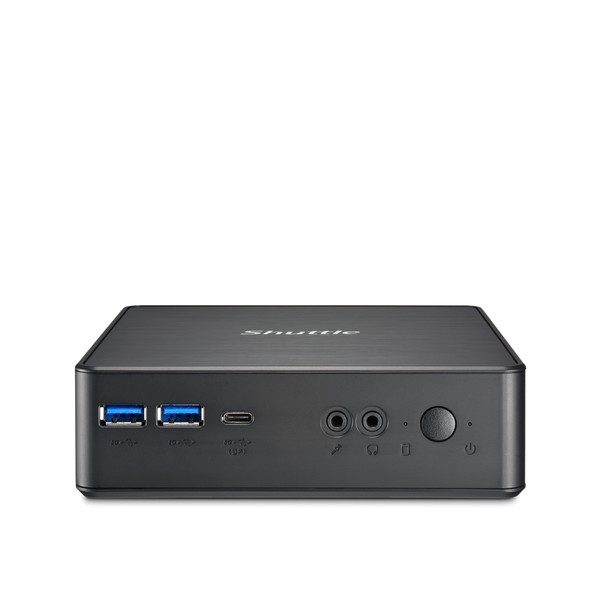
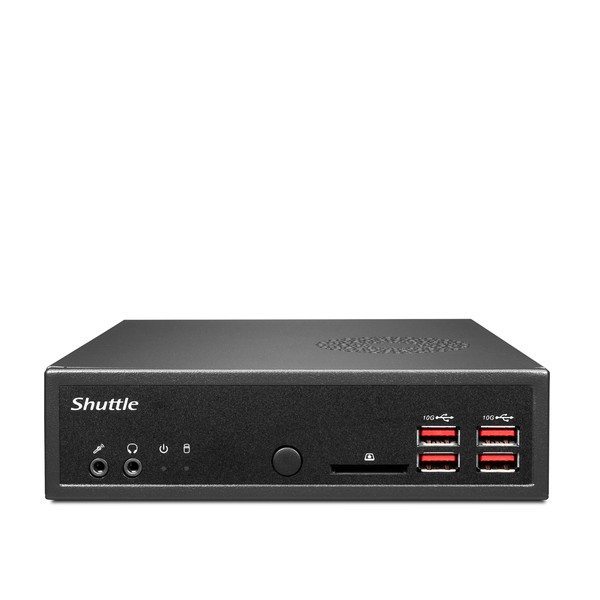
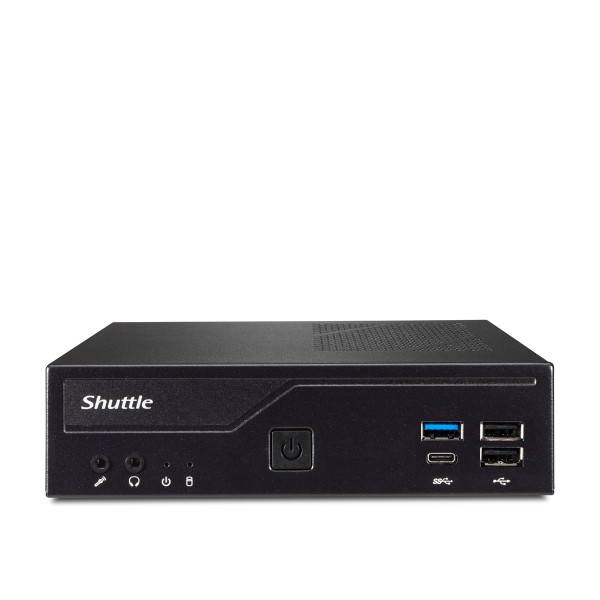
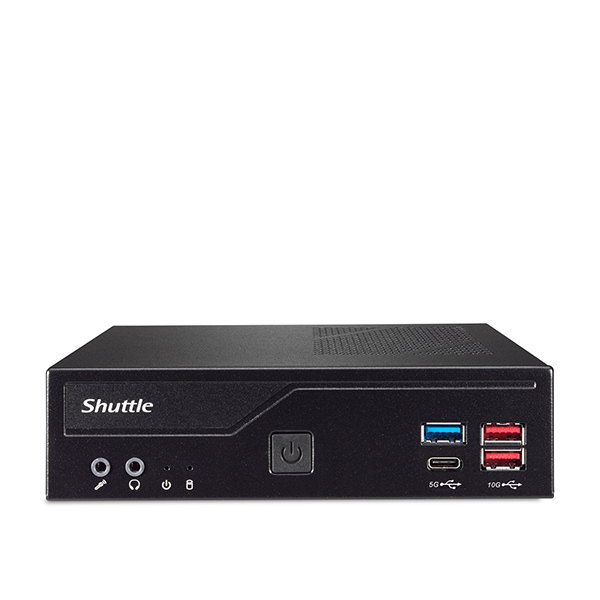
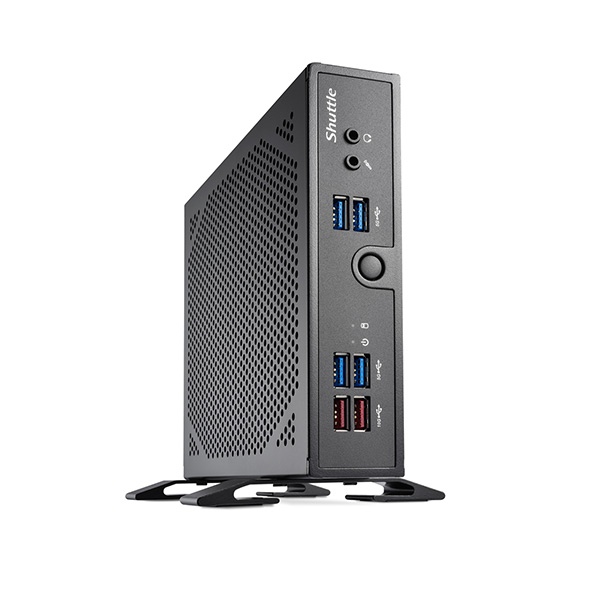
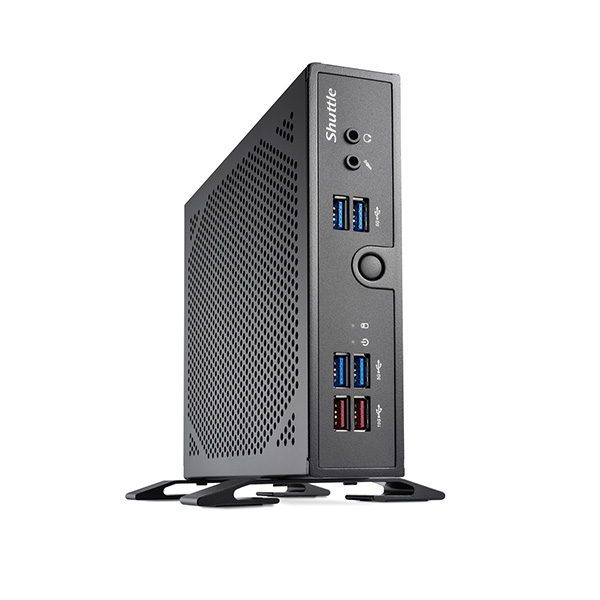
The classic desktop PC is giving way to space-saving solutions. Mini PCs with a volume of between 0.6 and 3 litres now offer identical computing power with significantly reduced space requirements. Thanks to VESA mounting, they can be attached directly behind the monitor or under the desk – an advantage for tidy, ergonomic workstations, especially in open-plan offices or home offices.
Computing power and system architecture
Today's office PCs have to do more than just word processing and email. Modern applications such as cloud-based collaboration platforms, browser-based ERP systems and video-based communication require high-performance processors and fast RAM.
- CPU: The latest generation of Intel Core or AMD Ryzen processors offer an ideal balance of energy efficiency and performance, even for more computationally intensive tasks such as data analysis or graphic design.
- RAM: At least 32 GB of RAM is now standard in professional environments. It enables smooth multitasking and ensures future-proofing.
- Storage: M.2 SSDs with 512 GB or more guarantee short boot times and fast file access – an essential factor for productivity.
Noise level and energy efficiency: The silent partner in the office
In open working environments, noise levels play a decisive role. Mini PCs with passive cooling offer silent operation – ideal for concentrated work. At the same time, modern devices are extremely energy-efficient: with typical power consumption of less than 25 watts during operation, they reduce energy costs in the long term and support sustainability goals within the company.
Screen setups and connectivity: focus on multitasking
The demands placed on computer workstations are constantly growing. Many office setups today rely on dual or triple monitor solutions. An office PC should therefore have at least two native display outputs (e.g. HDMI, DisplayPort or USB-C with DP). The number and variety of USB ports (including USB 3.2 Gen 2, USB-C) and network options (2.5 Gbit/s LAN, Wi-Fi) also have a significant impact on everyday usability.
Sustainability and service life
Longevity makes sense not only from an ecological perspective, but also from an economic one. Robust metal housings, industrial build quality and the availability of spare parts pay off in the long term. Also look out for extended warranties – these provide lasting protection for your IT investment.
Conclusion: The office PC as a strategic building block of digitalisation
Modern office PCs are much more than just computing machines – they are an integral part of the digital workplace strategy. Compact mini PCs with high performance, quiet operation and extensive connectivity open up new possibilities in office organisation, IT infrastructure and ergonomics. Take the opportunity to evaluate your IT landscape and switch to future-proof systems.
A well-chosen office PC is not just a tool – it is a strategic advantage.
If you are interested in powerful, maintenance-friendly and particularly compact solutions, take a look at our current selection of Shuttle XPC mini PCs for office use. Be inspired – we will be happy to advise you.