Santé
Precision, hygiene and reliability in everyday digital hospital life
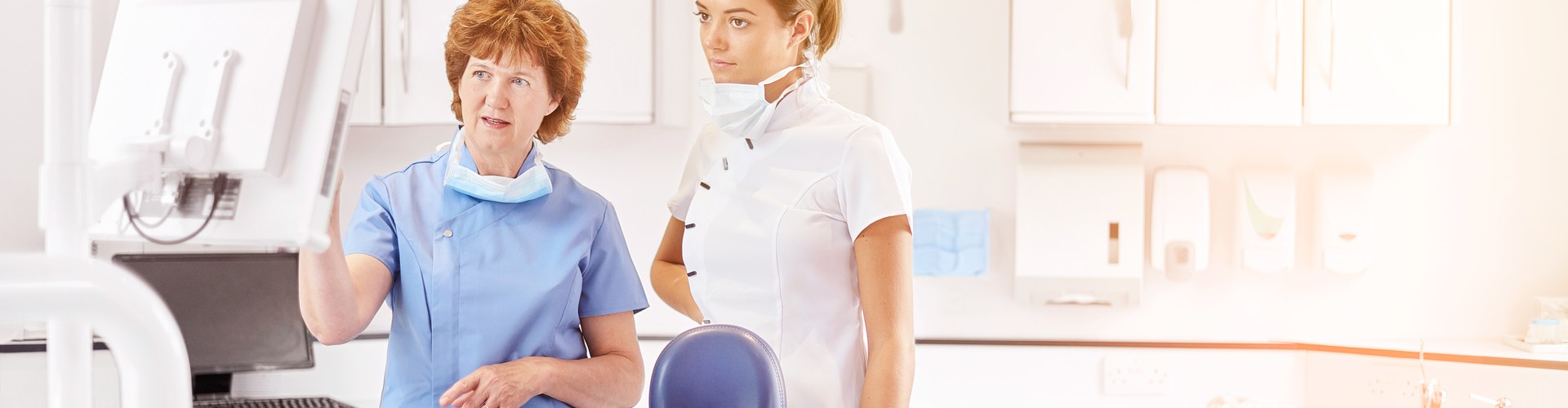
The digitisation of healthcare is advancing inexorably. Whether in operating theatres, laboratories, care facilities or patient administration, powerful IT systems have become a central component of modern medicine. Panel PCs play a key role in this. As compact all-in-one systems with touch operation, they combine medical functionality with industrial robustness and hygienic design.
Find out here which technological features make panel PCs ideal for medical use, which standards and requirements must be observed, and why they are now an indispensable part of future-proof healthcare IT.
Panel PCs in modern medical technology
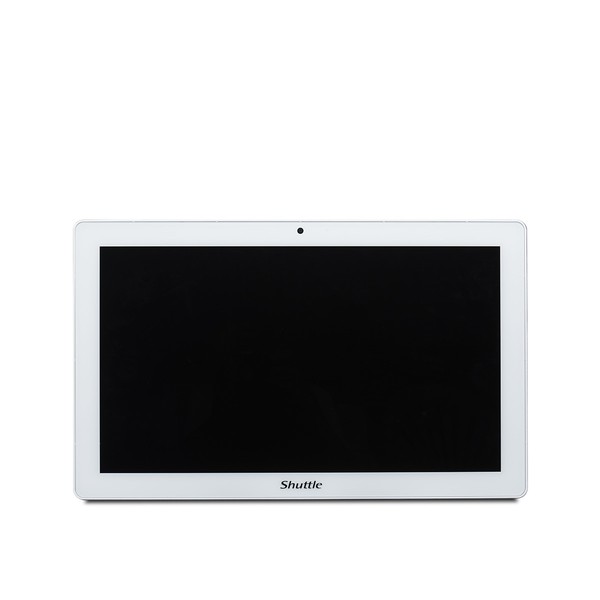
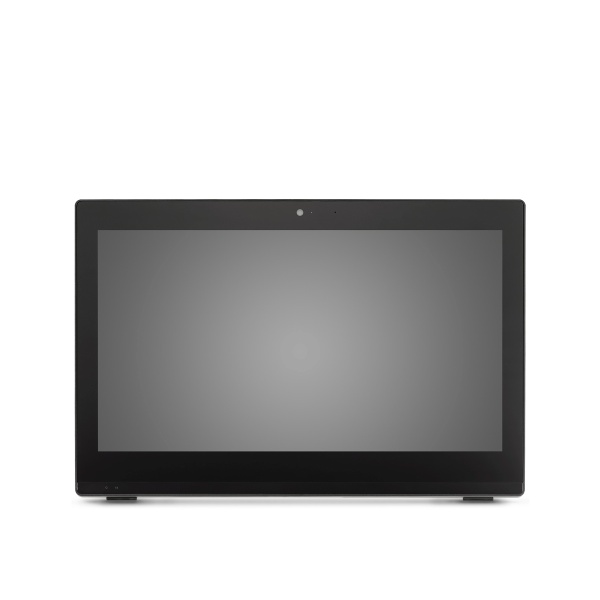
A panel PC is a fully integrated computer with a touch display – often fanless, vibration-resistant and designed for continuous operation. Unlike conventional desktop systems, panel PCs are specialised for use in sensitive or sterile environments.
They perform a wide range of tasks in the medical field:
- Control and visualisation of medical devices
- Display and editing of patient data and electronic medical records
- Use as a user interface in laboratories or pharmacies
- Use as terminals for care and documentation processes
- Integration into telemedicine or diagnostic systems
Their robust construction and ease of cleaning make them ideal for locations where conventional IT hardware reaches its limits.
Hygienic design as a key requirement
Hygiene is a top priority in clinics, laboratories and care facilities. Every surface can potentially pose a risk of transmission – which is why the design of the housing plays a central role in medical panel PCs.
Important features:
- Seamless construction: No gaps or recesses where dirt or germs can accumulate
- Glass front with IP65 protection class: Dust and splash-proof, suitable for cleaning with disinfectants
- Antimicrobial coating: Optional additional protection that inhibits the growth of microorganisms on the surface
- Wipeable touchscreens: For repeated disinfection without material fatigue
- Fanless cooling concept: Prevents air turbulence and the spread of germs
These features make panel PCs the ideal hardware for environments with high hygiene requirements, such as operating theatres, clean laboratories or quarantine areas.
Technical performance for everyday clinical use
Underneath the robust surface lies state-of-the-art computer technology. Medical panel PCs must be powerful, energy-efficient and permanently reliable.
Processor and performance
Depending on the application, energy-efficient Intel® Celeron® processors are sufficient for administrative tasks, while Intel® Core™ i7 or i9 CPUs are required for imaging procedures or data-intensive control systems.
The absence of fans and moving parts significantly increases reliability in 24/7 operation.
Memory and data security
Fast NVMe SSDs reduce loading times and offer shock-resistant data storage. RAM capacities of 8–32 GB are common to ensure the parallel operation of multiple software environments.
Many systems also integrate TPM 2.0 modules for encrypted data storage – an important aspect for the protection of sensitive patient data.
Interfaces and expandability
A modern medical panel system must be able to communicate with a wide range of peripheral devices:
- USB for scanners, card readers or keyboards
- Serial COM interfaces (RS232/422/485) for controlling existing medical devices
- LAN/Wi-Fi for stable network connection
- HDMI / DisplayPort / VGA for external monitors
Standards, certifications and safety
Panel PCs in medical environments are subject to strict regulatory requirements. In addition to CE conformity, the following standards are of central importance:
- EN 60601-1: Safety of electrical equipment in medical environments
- EN 60601-1-2: Electromagnetic compatibility (EMC)
- RoHS & REACH: Environmental and material compliance
- IEC 62304 / ISO 14971: For software validation and risk management, provided that the systems are part of medical devices
In addition, the electrical insulation of the connections also plays an important role in preventing interference with other devices in the environment – especially in operating theatres or intensive care units.
Integration into healthcare IT and clinical networks
The digitalisation of workflows in healthcare requires seamlessly integrated systems. Modern panel PCs support common operating systems such as Windows 10/11 IoT Enterprise or Linux (Ubuntu, Debian) and can be easily integrated into hospital or laboratory information systems.
Typical application scenarios:
- Access to electronic patient records
- Control of laboratory equipment and diagnostic systems
- Data acquisition and monitoring in nursing or monitoring stations
- Connection to DICOM viewers, RFID readers or barcode scanners
Thanks to standardised interfaces, panel PCs are able to integrate into existing IT architectures – including remote management, PXE boot and imaging functions for central administration.
Future prospects: AI, telemedicine and decentralised diagnostics
The next generation of medical panel PCs will increasingly integrate intelligent functions.
Edge computing and AI inference directly on the device will enable the following in the future:
- Real-time analysis of medical data without cloud dependency
- Automated image processing in laboratories and radiology
- Advanced telemedicine functionality with integrated camera and microphone
- Predictive maintenance of medical devices
Panel PCs are thus evolving from pure operating terminals to intelligent, networked hubs of medical infrastructure.
Conclusion: Panel PCs – the interface between people, machines and medicine
Panel PCs are the stable foundation of modern, digitised healthcare. They combine hygiene, reliability and computing power in a compact device while meeting the stringent requirements of medical environments.
Whether in diagnostics, nursing, laboratory control or administration, panel PCs play a key role in speeding up processes, minimising errors and refocusing attention on what matters most: providing the best possible patient care.
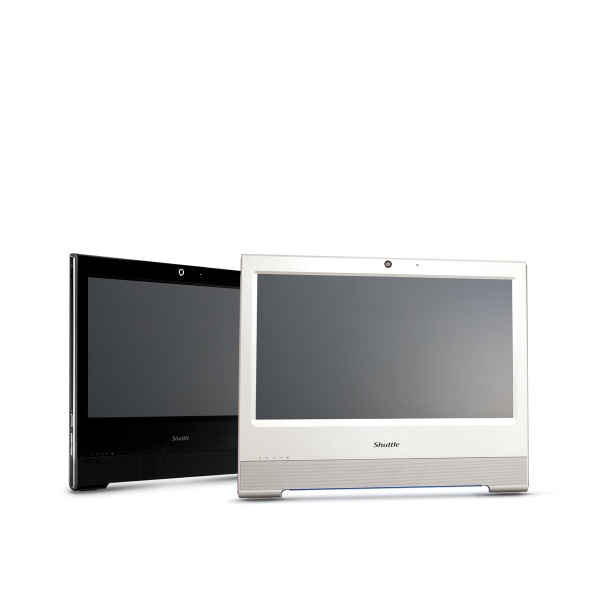
Discover our medically approved panel and all-in-one PCs
Our systems combine hygienic design, powerful hardware and long-term availability – ideal for hospitals, laboratories and care facilities.